


Hypothyroidism negatively impacts metabolic rate and weight management. If you have been diagnosed with hypothyroidism, the foods you eat can dramatically affect how you look and feel. Fortunately, the nutrients needed for optimal thyroid function are easily available in your local grocery store. Here are the top functional foods to include (or avoid) when dealing with an under-active thyroid gland:
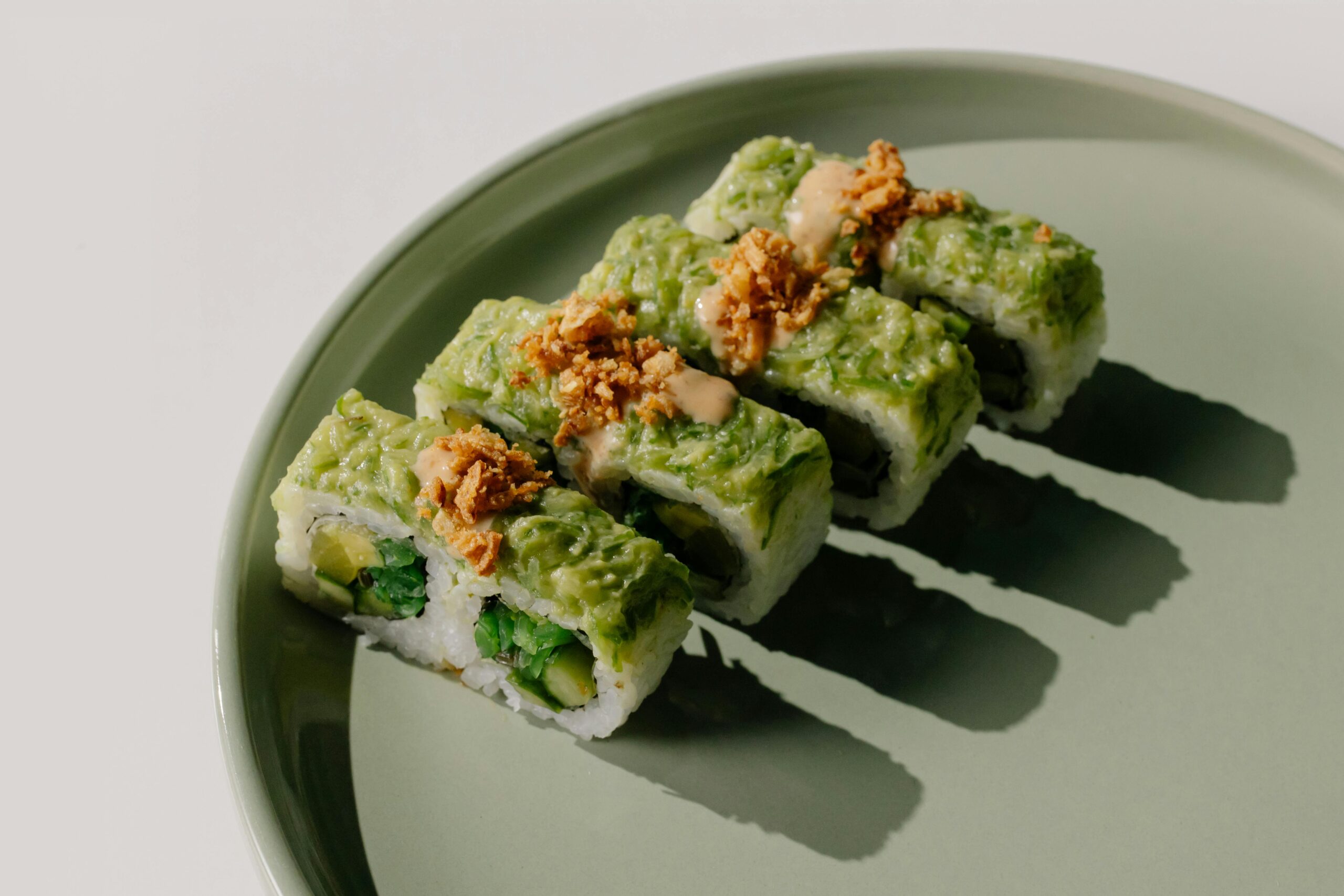
- Increase consumption of sea vegetables: I typically recommend that my patients with thyroid disease consume organic seas vegetables 2-3 times per week. Seaweeds contain iodine (100-200mcg per serving), which is one of the main ingredients needed by the thyroid gland to synthesize thyroid hormones. Thyroid hormone is made up of iodine and an amino acid called tyrosine – the ‘3’ and ‘4’ in thyroid hormones even refers to the number of iodine atoms bound to tyrosine. Low dose iodine consumption from food also reduces the activity of thyroid peroxidase which can be damaging to the thyroid gland. The following foods contain bioavailable iodine in an appropriate dose:
- Kelp flakes: found at health food stores, these flakes can be sprinkled on food in place of salt (Maine cost sea seasonings).
- Kombu: the easiest way to consume kombu is as a broth, To make one quart of broth, fill a pot with 4 cups of water and a 4-6″ strip of kombu. Cover and simmer for 20 minutes. Add soy sauce if desired.
- Limit consumption of giotrogenic foods (or only eat them cooked): Goitrogenic foods are those that contain substances that interfere with the thyroid gland uptake and utilization of iodine, which is necessary for thyroid hormone production. They include: soybeans (and products made from them), millet, peanuts, and cruciferous vegetables, such as broccoli, cauliflower, bok choy, brussels sprouts, rutabaga, turnips, and cabbage. If you’re going to eat these foods make sure you cook them thoroughly to inactivate most of their thyroid disrupting properties.
- Avoid gluten: The molecular structure of gliadin, the protein portion of gluten, closely resembles that of thyroid hormone. When gliadin breaches the protective barrier of the gut, and enters the bloodstream, the immune system tags it for destruction. These antibodies to gliadin may cause the body to attack thyroid tissue leading to hypothyroidism and autoimmune thyroid disease. In vitro studies have even shown that this negative immune response can persist for up to 6 months after consuming gluten.
- Eat Brazil nuts: Three brazil nuts daily contain approximately 250mcg selenium. Selenium is a critical nutrient when it comes to improving thyroid function. It has been shown to lower TSH and increase the conversion of inactive/precursor hormone T4 to metabolically active T3. It can also reduce thyroid peroxidase antibodies, thereby reducing autoimmunity against the thyroid gland.
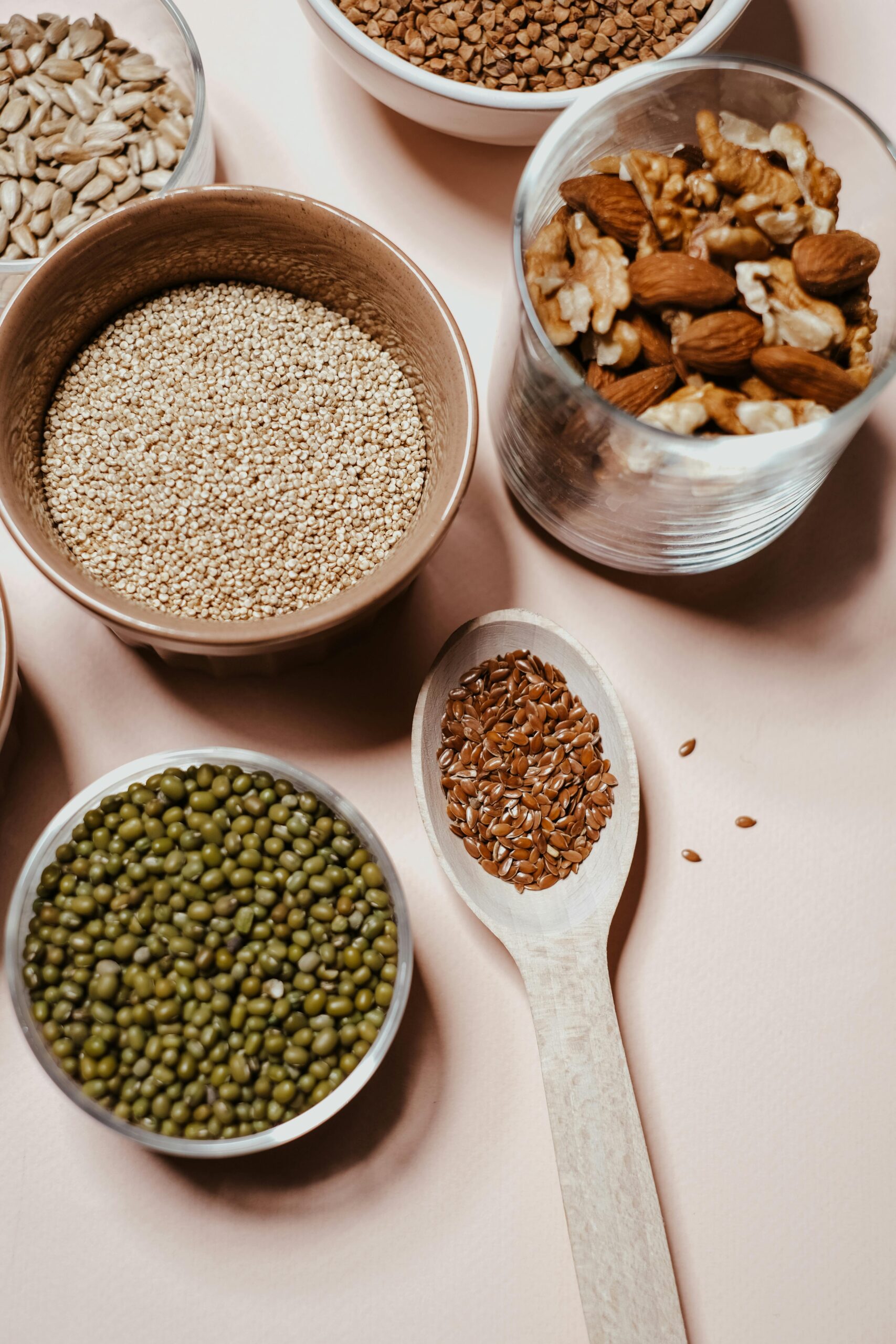
- Eat more Tyrosine-rich foods: L-tyrosine is an amino acid that is essential for optimal thyroid function. Thyroid hormone is made out of tyrosine and a deficiency in this protein can cause low thyroid hormone output from the thyroid gland. Tyrosine is found in protein-rich foods and is especially abundant in animal proteins like chicken and turkey. Vegans can increase their tyrosine levels by eating almonds, avocados, bananas, lima beans, pumpkin seeds and sesame seeds.
Free Thyroid Meal Plan:
Download your free thyroid meal plan here! Compliments of Dr. Sarah:
References:
- Wilson, et al. ‘Evidence-Based Approach to Restoring Thyroid Health’ April 2014.
- https://www.ncbi.nlm.nih.gov/pubmed/29569622
- Kachouei, et al. ‘The Effect of Levothyroxine and Selenium versus Levothyroxine Alone on Reducing the Level of Anti-thyroid Peroxidase Antibody in Autoimmune Hypothyroid Patients.’ Adv Biomed Res. 2018 Jan 22;7:1
- https://www.ncbi.nlm.nih.gov/pubmed/15244201
If you’re experiencing thyroid symptoms or have been diagnosed with hypothyroidism then it’s time to develop your functional thyroid protocol with a knowledgeable health professional that has substantial training in functional thyroid health. You want to make sure that your levels are optimal, and not simply falling within the ‘normal’ range. If you’d like to discuss your thyroid health you can book online with Dr. Sarah here.
This information is not intended as a substitute for the advice provided by your Naturopathic doctor or primary care physician. Do not use the information in this document for diagnosing or treating a health problem or disease. Always speak with your Naturopathic doctor before taking any medication or nutritional or herbal or using any treatment for a health problem. If you have or suspect that you have a medical problem, contact your health care provider promptly. Do not disregard professional medical advice or delay in seeking professional advice because of something you have read online.



Comments +