


Acne is one of the more frequent health complaints that bring women and men of all ages to see me at my clinical practice. Although acne can seem impossible to treat, it is actually surprisingly easy to see fast and lasting results with a cleaned up diet , functional lab testing and a few key natural medicine interventions. For years conventional medicine told us that diet has absolutely nothing to do with the health of your skin, however scientists are finally beginning to acknowledge that cow’s milk and high glycemic foods (aka sugar & white carbohydrates) do increase acne prevalence and severity. While large studies have focused mostly on the foods that make acne worse, there is less information available on which foods we should be including in order to avoid breakouts. The following acne-fighting super foods have helped many of my patients to reduce their acne symptoms. Try introducing these foods into your diet for one month to begin clear your skin from the inside out.
Acne Healing Foods
Wild Fish: The typical Western diet contains too many omega-6 fatty acids, which are tied to inflammation. Eating more omega-3 fatty acids, such as those found in fatty fish (salmon) have been shown to help tame the inflammation that causes acne through the inhibition of pro-inflammatory molecules called eicosanoids and by maintaining the permeability barrier of the skin.
Green tea: Studies show that green tea can help fight acne because it reduces excess testosterone via 5-alpha-reductase inhibition. Drink 3 cups of green tea throughout the day or take a high quality ECGC supplement (my favourites are by Genestra or NFH)
Pumpkin seeds: The mineral zinc can reduce the effects of acne due to it’s ability to regulate oil production along with antimicrobial affects against p. acnes; the bacteria implicated in breakouts. It’s best to get zinc from your food, since high dose supplementation (more than 100 mg a day) can result in side effects and cause a relative copper deficiency. Eat 2 tablespoons of pumpkin seeds every night before bed to maintain adequate zinc levels & improve sleep.

Probiotic-rich foods: Inflammatory acne is associated with altered microfloraand the following probiotic-promoting foods can reduce inflammation in the gut to reduce frequency of breakouts:
- Kefir
- Sauerkraut
- Miso soup
- Tempeh
- Kimchi
- Pickles. + olives
- Kombucha
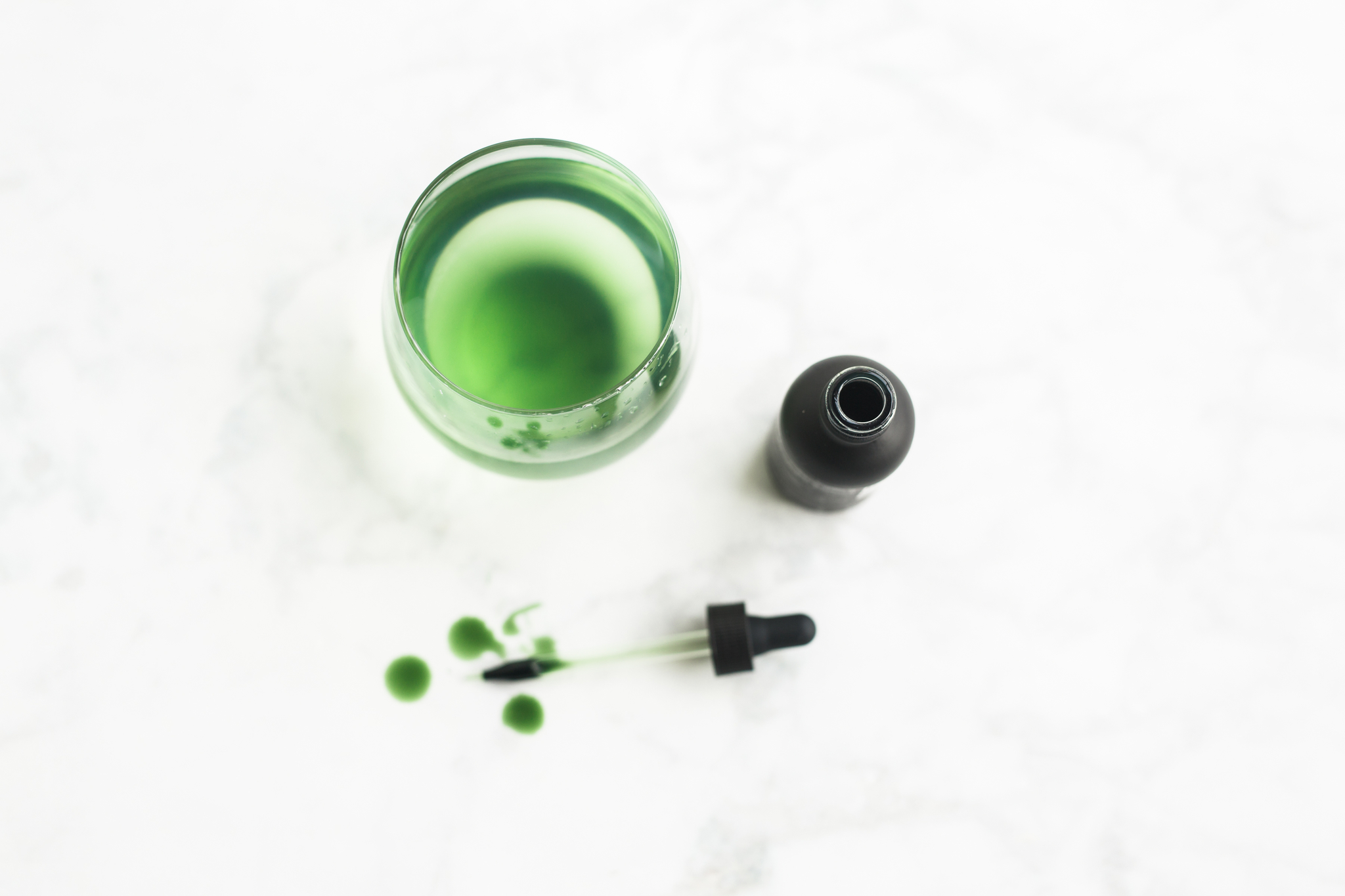
Chlorophyll: This super green is a great source of antioxidants, and has historically been used to cleanse the blood and digestive tract in order to reduce acne symptoms – add 1 tbs of liquid chlorophyll to a large bottle of water and drink throughout the day.
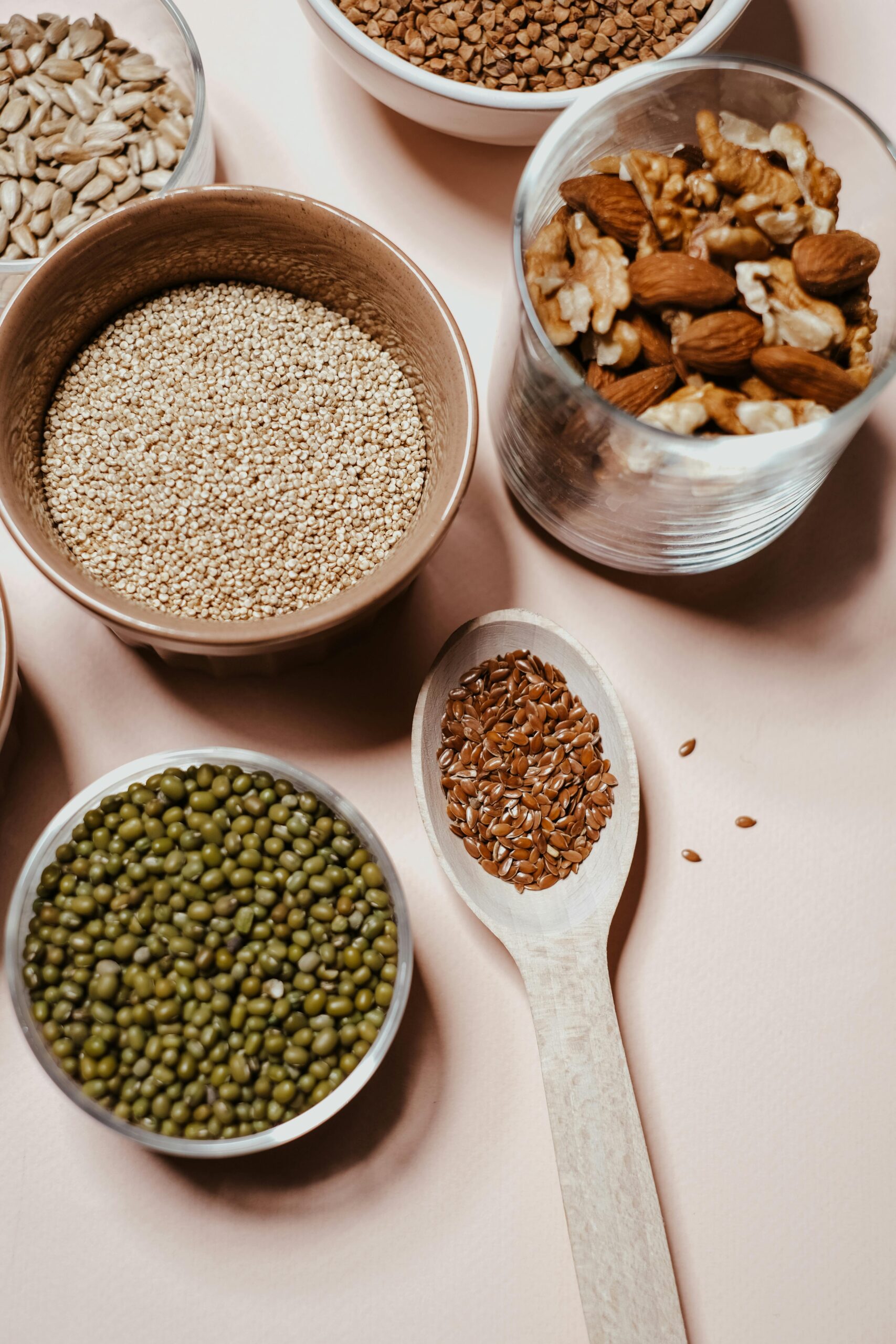
Nuts: Studies show that deficiencies in zinc and selenium are linked to an increase in acne severity. Nuts are a great source this nutrients and I recommend that my patients eat ¼ cup of walnuts, almond, cashews or flax seeds daily, or 2 – 3 brazil nuts.
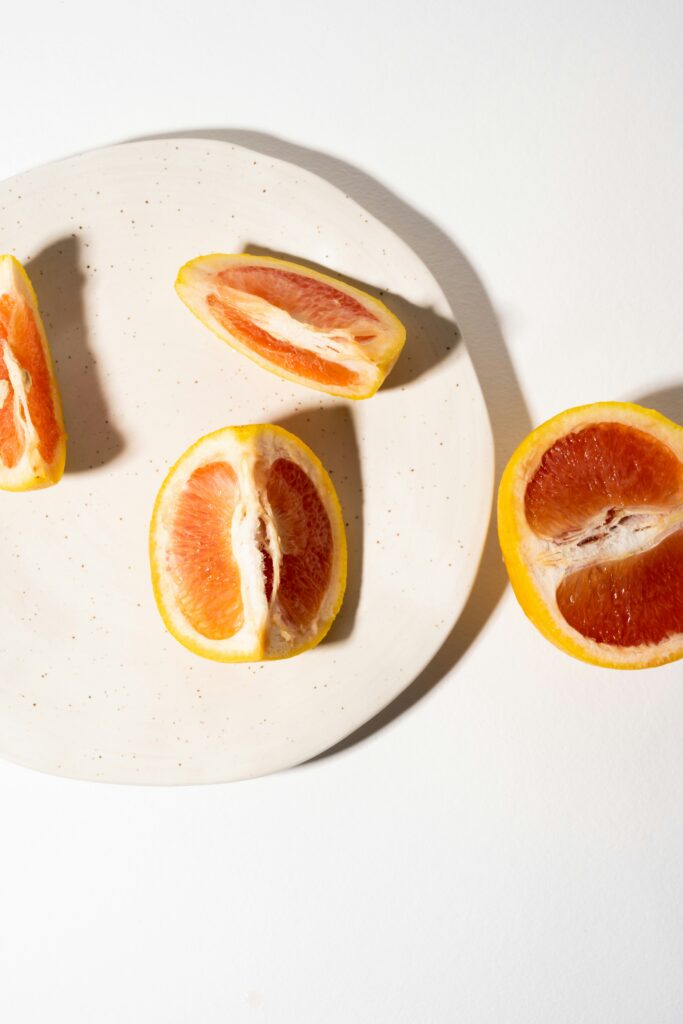
Citrus Fruits: Dietary citrus is rich in Vitamin C & antioxidants. These fruits support clear skin by fighting inflammation, boosting collagen, and potentially reducing oil, making oranges, lemons, and grapefruits great additions to an anti-acne diet,. Citrus oils and peels have also shown topical antimicrobial effects against acne-causing bacteria, but focus on consuming the fruit for overall skin health rather than topical lemon juice, which can be irritating. We drink chlorophyll lemon water daily during the luteal phase to prevent hormonal acne – our favourite simple and inexpensive way to manage skin health.
Broccoli: Broccoli contains an abundance of skin healing nutrients, like vitamins A, B12, B6, C, E, and K. This vegetable also contains a compound called sulforaphanethat helps detoxify the excess circulating hormones that influence cyclical breakouts. Eat 1 cup of broccoli daily (be sure to avoid raw broccoli if you have thyroid disease) and sprinkle broccoli sprouts on salads and blend into smoothies.
Ditch Sugar for Clear Skin

While acne may be considered ‘normal’ in adolescence it can be absolutely devastating when it persists through a person’s 20s, 30s and even 40s. For many years our skin docs and the food industry both assured us that diet has absolutely nothing to do with acne. Thankfully current research is finally beginning to confirm what I see daily in my practice: high glycemic foods (aka white sugar) DO increase acne frequency and severity.
Available evidence in both human and animal models shows that sugar can induce cravings that are comparable to those generated by addictive drugs and Canadians are eating approximately 52g of it daily. This means that the average Canadian is consuming over 10 teaspoons of added sugar every single day. Sugar is a problem for the skin because it causes levels of the blood sugar regulating hormone insulin to spike, which in turn initiates a cascade of hormonal responses within the body. Most importantly, high insulin levels cause an increase in a protein called insulin like growth factor or IGF-1, which is one of the worst acne culprits. IGF-1 causes sebaceous glands (the glands in your skin that regulate oil production) to go into overdrive and also increases the cell turnover in your skin. This means that sugar causes an overproduction of dead skin cells and excess oil, which creates an ideal scenario for the acne-causing bacteria propionibacterium acnes to grow on your skin, leading to inflammation and acne.
There’s more bad news if you’re over 25 years old and consuming an excess of dietary sugars. After the age of 25 your skin’s production of collagen (the protein responsible for skin elasticity) dramatically declines leading to wrinkles and sagging skin. Sugar has the ability to further decrease levels of this important anti-gaining protein via the process of glycation which causes premature ageing and dull skin.
To review, sugar increases oil production, causes inflammation and increases the number of acne-causing bacteria in the skin, making it a key player in the development of acne. In light of this, dramatically reducing your sugar intake is one of the most important things that you can do to clear up your acne for good. By starting with this one simple step you can influence a whole host of metabolic and hormonal pathways that will dramatically improve that way your skin looks and feels. It takes perseverance, education and preparation but I promise that reducing your sugar intake will have profound impacts on your skin and your overall health.
Beautiful skin truly does come from within and it’s nearly impossible to achieve clear, glowing skin without drastically reducing your sugar intake. Here are a few of my favourite websites / cookbooks to help you get started:
Clear Skin Meal Plan
Click the link below to download our free acne-healing meal plan, compliments of Dr. Sarah;
If you’d like to work together to develop a holistic acne plan you can book online with Dr. Sarah here for a virtual or in-person visit (Burk’s falls, Ontario).
References:
- http://www.sugar.ca/Nutrition-Information-Service/Health-professionals/Sugar-Consumption.aspx
- https://www.ncbi.nlm.nih.gov/pubmed/23719144
- https://www.ncbi.nlm.nih.gov/pubmed/24719062
- https://www.ncbi.nlm.nih.gov/pmc/articles/PMC1606623/
Looking to connect with a Naturopath in Oakville to develop a personalized acne protocol to clear your skin from the inside-out? Book your in-person appointment here.
If you’d like to work together and you’re not a resident of Ontario*, or if you do live in Ontario and you’d prefer an online consultation you can book online with Dr. Sarah here.


Comments +