


Glucagon-like peptide-1 (GLP-1) is a naturally occurring hormone that plays a key role in regulating appetite and glucose levels in the human body. Unsurprisingly, pharmaceutical companies have now created a multitude of medications that mimic GLP-1’s actions. While effective, these meds provide long acting doses of this naturally occurring short-acting peptide, leading to significant gastrointestinal side effects in most users. These greater than physiological doses have also been shown to completely shut down natural GLP-1 production, so they often require lifelong use to sustain weight loss at a cost of $300 – $400 / month (and what happens when there are back orders!). Fortunately, nature offers a variety of foods and nutrients that can stimulate GLP-1 production without the downsides of pharmaceuticals.
The Role of Flavonoids
Flavonoids are a family of natural compounds abundant in fruits, vegetables, grains, and tea. They’re responsible for creating vibrant colours in plants, and they provide antioxidants and anti-inflammatory effects when ingested by humans. Flavonoid-rich diets have been shown to reduce the risks of chronic diseases like cancer, heart disease, and neurodegenerative disorders by fighting free radicals, improving blood vessel health, and supporting the immune system. They’re also being studied for their ability to enhance GLP-1 hormone production. While GLP-1 drugs like Ozempic provide a powerful, concentrated dose of synthetic GLP-1, they bypass the body’s natural regulatory systems, leading to side effects like nausea and muscle loss. Flavonoids, on the other hand, encourage the body to produce its own endogenous GLP-1. While the effect from a single food or meal may be subtle, consistent intake of flavonoid-rich foods can create a cumulative metabolic benefit;
- Hispidulin: Found in various medicinal herbs and a few foods, it is one of the most potent natural stimulators of GLP-1 release. This flavonoid is a favourite of ours for weight loss patients because it offers a “dual-action” benefit by simultaneously increasing GLP-1 and suppressing the liver’s production of excess glucose. Foods sources of hispidulin include; black tea, sage, thyme, oregano, berries, and citrus fruits.
- Quercetin: Abundant in onions, apples, and berries, quercetin has been shown in human cell models to directly trigger GLP-1 secretion in the gut. Weight loss tip: when it comes to apples, most of their quercetin is found in the skin, so peeling these fruits removes a significant amount of their GLP-1 benefits.
- Capers: By far the most concentrated source of dietary quercetin they contain up to 234 mg per 100 grams. Add to caesar salads or salmon dishes, they are also delicious when tossed in a touch of olive oil and baked until crispy.
- Onions: Onions and shallots are particularly high in quercetin. Grab red onions when possible, they have significantly higher quercetin levels than white onions.
- Apples: A major dietary source, but the quercetin is almost entirely located in the skin so make sure to eat them whole.
- Berries: Darker berries like elderberries, cranberries, and blueberries provide a ton of quercetin.
- Leafy Greens: While all leafy greens have some quercetin, kale and radish leaves are among the top vegetable sources and should be included in the diet at least weekly.
- Tip – Combine Flavonoids with Fiber: Flavonoids work best when paired with high-fiber foods, as fiber further slows digestion and provides a secondary pathway for GLP-1 stimulation. Top fibre-rich foods include legumes (lentils, split peas, beans), seeds (chia, flax), a few fruits (raspberries, blackberries, avocado), and vegetables (artichokes, broccoli, Brussels sprouts).
Top GLP-1 Supportive Foods
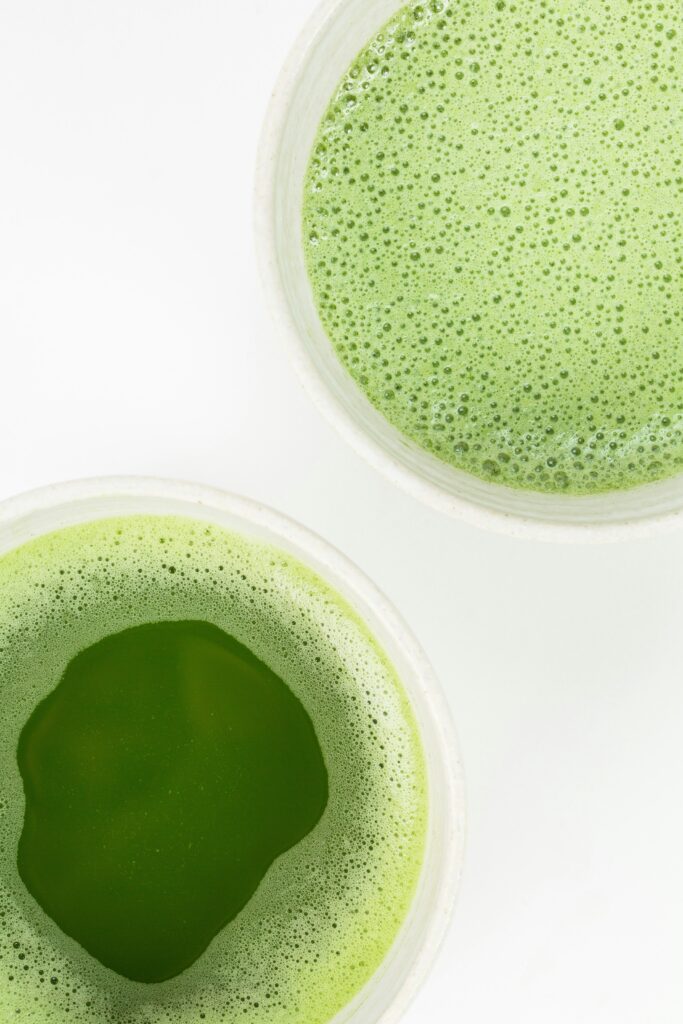
- Green tea: EGCG, found in green tea, is a powerful flavonoid that supports GLP-1 levels. 2 – 3 cups daily has been shown to support fat loss & prevent certain types of cancer. If you’re looking for a significant GLP-1 boost you can also discuss adding an ECGC supplement to your natural health protocol with your Naturopathic doctor.
- Curcumin: The active ingredient in turmeric, curcumin is a powerful anti-inflammatory that has been shown to induce GLP-1 release. Incorporating turmeric into your meals can provide both anti-inflammatory and weight loss benefits.
- Cinnamon & Rosemary: Both spices are rich in flavonoids and can support GLP-1 production. Rosemary also offers additional benefits for memory and brain health while cinnamon can help lower glucose and cholesterol levels.
- Resveratrol: Found in red wine, berries, and peanuts, resveratrol has been linked to increased GLP-1 levels. Resveratrol also supports weight loss by activating the body’s SIRT-1 proteins, which acts as a calorie-restriction mimetic to boost metabolism, enhance mitochondrial function, and promote fat burning. Studies show that resveratrol helps reduce BMI and body weight, particularly at dosages around 400 mg/day for over 12 weeks.

Healthy Fats: A Key to GLP-1 Release
Increasing healthy fat intake can be one of the most effective strategies for balancing blood sugar and enhancing GLP-1 secretion. Unsaturated long-chain fatty acids, found in foods like avocados, olive oil, nuts, and seeds, are potent stimulators of GLP-1 and are one of the best foods for promoting satiety while on a weight loss journey. Top sources for GLP-1 production include;
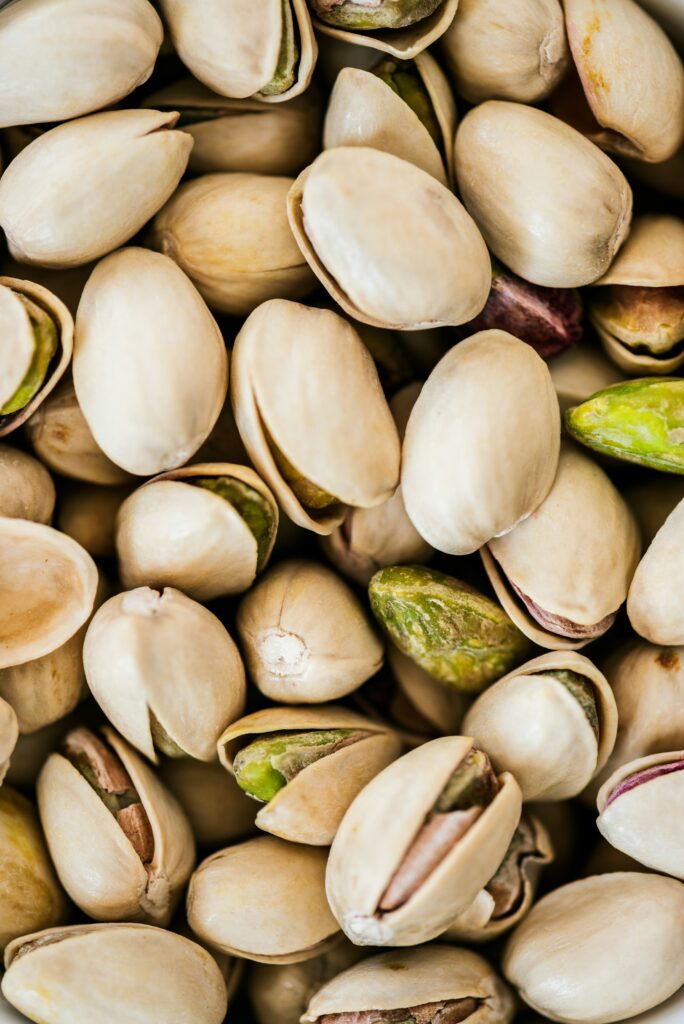
- Pistachios: A study found that adding 85 grams of pistachios to a carbohydrate-heavy meal led to increased GLP-1 concentrations in overweight and pre-diabetic adults.
- Olive Oil: Clinical evidence shows that olive oil (rich in oleic acid) stimulates higher GLP-1 levels compared to saturated fats like butter. Studies show that following a Mediterranean diet rich in olive oil for 28 days resulted in significantly higher GLP-1 blood concentrations after meals.
- Omega-3 Fatty Acids: Found in fatty fish and algae, these fats enhance the metabolic benefits of GLP-1 and can improve the body’s sensitivity to the GLP-1 hormone.
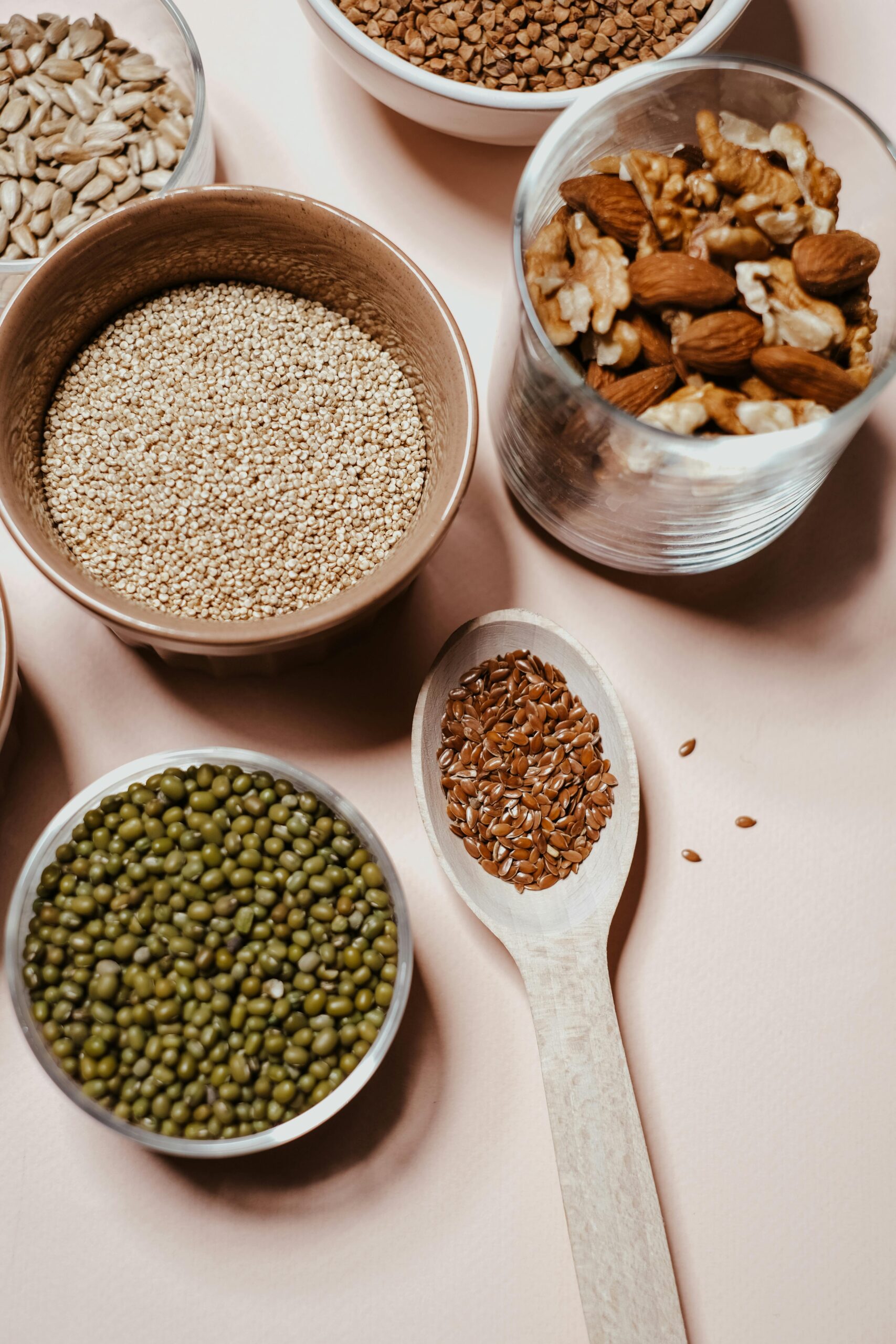
- Nuts and Seeds: Walnuts and flaxseeds provide a combination of fiber and healthy fats that synergistically boost GLP-1 secretion.
- Avocados: High in monounsaturated fats, avocados are a top GLP-1 friendly food to help support glucose regulation and increase satiety.
- Long-Chain Fatty Acids: Studies show that fats with longer carbon chains are generally more effective at triggering the “ileal brake” (the mechanism that releases GLP-1) than short-chain or medium-chain fats. Foods high in long-chain fatty acids include oily fish (salmon, mackerel, sardines), nuts, seeds, olive, avocado and flaxseed oils, whole avocado, and organic dairy products.
Bottom line: incorporating healthy fats supports GLP-1 hormone production AND promotes post-meal satisfaction, helping to control appetite and maintain stable blood sugar levels, which is essential for sustainable weight loss.
The Power of Protein
Dietary proteins and peptides are potent stimulators of GLP-1 secretion. Studies show that higher protein meals are associated with increased GLP-1 secretion, enhanced satiety and reduced blood sugar, making them an excellent choice for weight management. Sufficient protein is also crucial for preventing muscle loss during weight loss. Muscle burns fat indirectly by increasing your metabolic rate, meaning your body uses more calories (from fat stores) for energy even at rest. Strength training and protein build this metabolically active muscle tissue, making it easier to lose fat long-term by burning more calories compared to fat tissue. This is yet another reason why GLP-1 medications can be problematic as they often promote rapid muscle loss along with fat loss.
- Whey Protein: Studies have shown that whey protein can stimulate significant spikes in GLP-1 production, making it a great addition to meals or snacks. Throw a scoop of high quality whey protein in your daily smoothie or mix into oats for a delicious high protein meal option.
- Soybean: Multiple studies indicate that soy protein can enhance GLP-1 secretion and help maintain muscle mass during weight loss. It’s important to note that quality is key when consuming soy products, stick with organic non-GMO options.
- Glutamine and Amino Acids: Amino acids from proteins actively stimulate GLP-1-producing cells in the intestines. Glutamine, in particular, has been identified as a powerful GLP-1 releaser, with doses of 15 to 30 grams shown to reduce glycemia in both lean individuals and those with obesity or type 2 diabetes.
Dairy, Probiotics & Gut Health
A healthy gut microbiome is absolutely critical when it comes to weight loss and stimulating GLP-1 production. The gut microbiome, composed of beneficial bacteria, produces postbiotics, including short-chain fatty acids (SCFAs) like butyrate, which have been shown to enhance GLP-1 secretion. One notable bacteria, Akkermansia muciniphila, is particularly key for weight loss; it not only secretes butyrate but also produces other beneficial compounds that support GLP-1 production. To promote the growth of Akkermansia in the gut incorporate prebiotics such pomegranate, grapeseed, and green tea into your diet. Additionally, probiotics containing Akkermansia strains can help restore balance in the gut, especially if low levels are detected through comprehensive stool analysis. Other beneficial bacteria, such as Clostridium butyricum and Bifidobacterium infantis, also contribute to a gut environment that favours GLP-1 production.
- POM: Research shows that combining resistance training with pomegranate juice consumption can significantly boost GLP-1 levels. Add a splash or POM juice + whey protein to your post-workout smoothie for extra GLP-1 benefits.

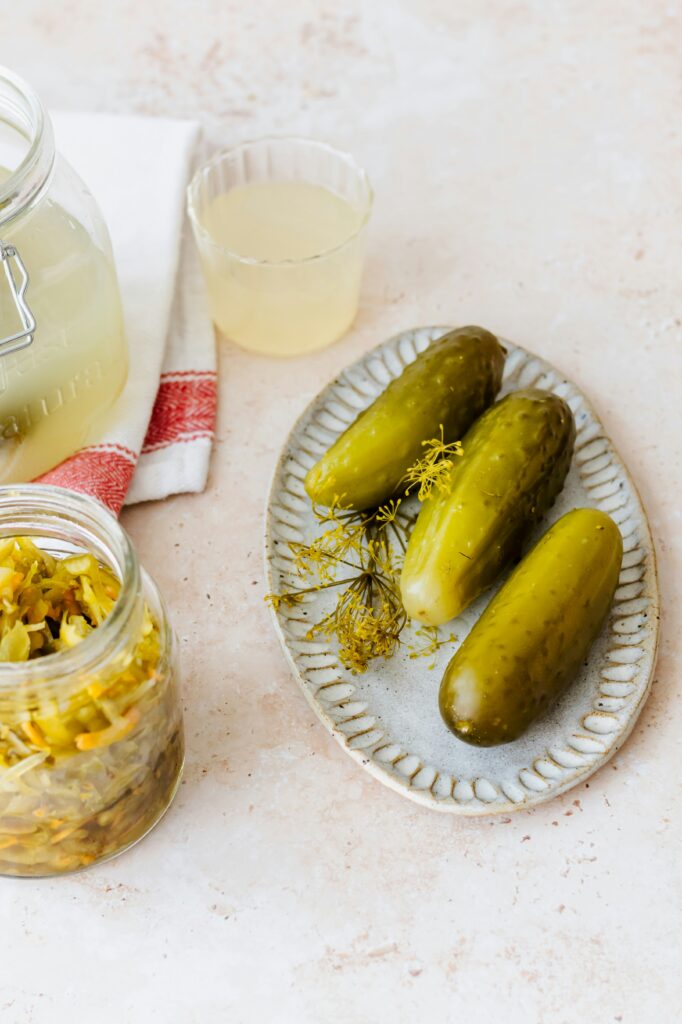
- Fermented Foods: Yogurt, kefir, kimchi, and sauerkraut help promote a healthy gut microbiome, which is crucial for optimal GLP-1 secretion from the intestinal L-cells. Research indicates that the consumption of fermented foods can lead to improved metabolic regulation, increased satiety, and better blood sugar control by stimulating GLP-1 production. Furthermore, the creation of short-chain fatty acids (SCFAs) during fermentation further promotes GLP-1 levels.
- Plain Yogurt: Studies have shown that consuming plain yogurt rich in probiotics can significantly increase GLP-1 production in the gut. Choose organic greek yoghurt which is also high in protein for synergistic GLP-1 benefits.
- Polyphenol-Rich Foods: There is plenty of new research showing that foods high in polyphenols can support the growth of Akkermansia and help you to maximize your GLP-1 production via the gut. The best-studied food sources include:
- Pomegranate: #1 for promoting Akkermansia growth.
- Berries: Blueberries, strawberries, and blackberries.
- Dark Chocolate: High in flavonoids and polyphenols, dark chocolate is our go-to ‘treat’ while on a fat loss program.
- Red Wine: While alcohol isn’t technically encouraged during your weight loss phase, a small glass of red wine is your best bet, low in sugar & rich in polyphenols.
GLP-1 Supportive Diet – Example day
Now that you’re convinced of the importance of flavonoids, protein, healthy fats and fermented foods in your fat loss program, here’s an example day of eating to maximize your GLP-1 production;
Breakfast
- Coffee with 1 tsp ceylon cinnamon, protein powder or collagen powder
- Greek yoghurt mixed with 1 scoop whey protein powder & berries, flax seeds and walnuts
Snacks
- Whey protein shake with soy milk, flax seeds, frozen berries and a splash of POM juice.
- A skin-on sliced apple sprinkled with ceylon cinnamon, served with a cup of green tea.
Lunch:
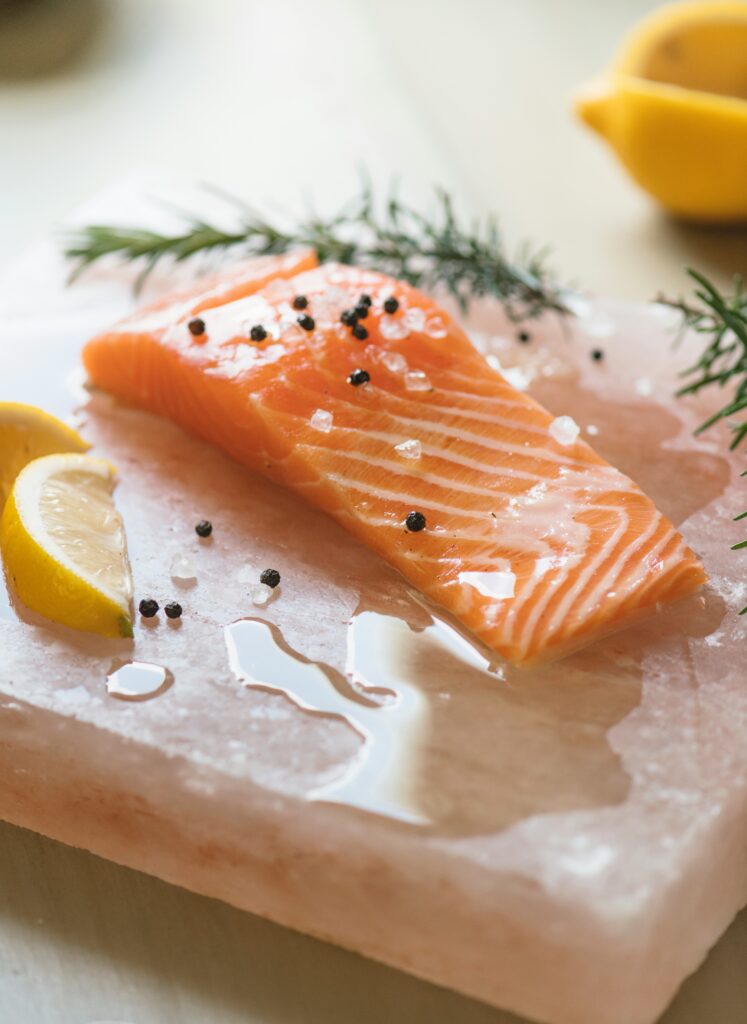
- Kale salad with wild caught salmon, kimchi, roasted edamame beans with an olive oil based dressing.
Dinner:
- Lentil pasta with a pistachio avocado pesto and side of chicken sausage
To get you started on your weight loss journey we first encourage you to start by adding these GLP-1 promoting foods and discuss GLP-1 agonist supplements like hops, ginger & berberine with your Naturopathic doctor. If you want to learn more about GLP-1s and possibly add micro-doses of this peptide to further enhance your fat loss check out our GLP-1 Holistic Reset program; this 3-month program is designed by our naturopathic doctor + nurse practitioner to help you achieve sustainable fat loss and better metabolic health without the risks associated with lifelong medication use.



Comments +